
Rhydian Kemp
Systems Architect
Rhydian spends most of his time breaking down complex business workflows into components we can actually build. He's particularly interested in how local businesses handle inventory tracking across multiple locations.
Handcrafted botanical artistry bringing nature's elegance into your space
We don't chase trends—we watch what people actually need and then figure out how to build it. Our team spends time talking to businesses in Baku and beyond, understanding their frustrations with existing tools, and creating solutions that actually work in real-world conditions.
Start a Conversation
Most companies talk about innovation like it's some mystical process. For us, it starts with listening. We meet with business owners who are frustrated with clunky software, overly complicated systems, or tools that promise everything but deliver confusion.
Then we build prototypes—rough versions that we can test quickly without investing months of development time. Some ideas fail fast, which is exactly what we want. Better to discover something won't work in week three than month nine.
Systems Architect
Rhydian spends most of his time breaking down complex business workflows into components we can actually build. He's particularly interested in how local businesses handle inventory tracking across multiple locations.

User Research Lead
Maren conducts interviews with business owners and watches how they interact with existing tools. She's discovered that many features companies pay for never actually get used because they're too complicated.
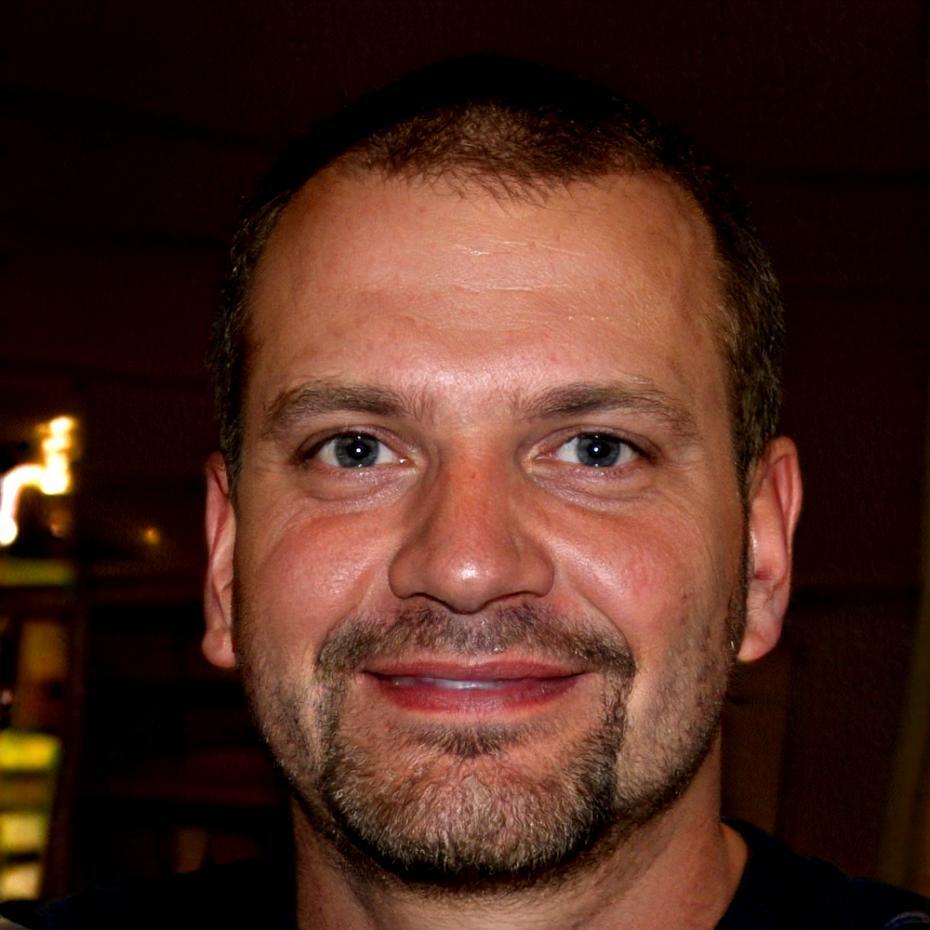
Prototype Developer
Caelan builds working versions of our ideas quickly so we can test them with real users. He's developed a rapid prototyping framework that lets us go from concept to testable product in days rather than weeks.
We spend time with businesses understanding their actual challenges. Not what they think they need, but what problems they're actively trying to solve. This usually takes about three weeks of conversations and observations.
We build a basic working version—nothing fancy, just functional enough to test the core concept. This might be a single feature or a simplified workflow. Speed matters here because we want to validate ideas before investing heavily.
The prototype goes to actual users who deal with the problem daily. We watch how they use it, where they get confused, and what features they ignore. This feedback shapes everything that comes next.
Based on testing feedback, we rebuild parts that didn't work and enhance what did. This isn't a one-time thing—we go through multiple refinement cycles until the solution actually solves the problem effectively.
We release to a small group first, monitoring performance and gathering feedback. Only after we're confident the solution works reliably do we consider broader implementation. Scheduled for late 2025 or early 2026 depending on testing results.